
Collaborate with the ADRN today.
The Appalachian Disaster Resilience Network connects science, policy, and community knowledge to support healthier and more resilient Appalachian communities facing extreme weather events.
100+ Publications
We generate new research integrating geoscience, climate modeling, and public health to support resilient infrastructure, improved disaster response, and community health in Appalachia and across the US
30+ Collaborators
We sustain an interdisciplinary network that connects expertise with community members and regional strengths to enhance resilience to extreme weather.
Join The Mission
We strengthen partnerships among geoscientists, public health leaders, policymakers, and community stakeholders to advance science-driven flood mitigation, preparedness, and climate adaptation, promoting health and economic prosperity in rural Appalachian mountain communities.
“
“Helene showed us the strength of Appalachian communities, and the gaps in systems meant to support them. Our role is to listen, partner, and turn that experience into solutions that truly serve.”
Jennifer Runkle
Co-Principle Investigator, ADRN
Research Themes
1
Flood Health & Community Resilience
We connect researchers and community partners working on the health impacts of flooding.
2
Social & Economic Dimensions
We bring together experts examining who is most at risk and what meaningful recovery requires.
3
Infrastructure & Adaptation Planning
We work on adaptive strategies for water, energy, and transportation systems in flood-affected communities.
4
Community-Led Policy & Action
We translate research into on-the-ground strategies and policy recommendations.
ADRN
In The News
Outside of academia, our organization is deeply rooted in community development and activism.
-

Climate Change and Mental Health
Yale Climate Connections looks at how the stress of climate change is taking a toll on mental health across the world, and not just among those who have survived disasters.
-
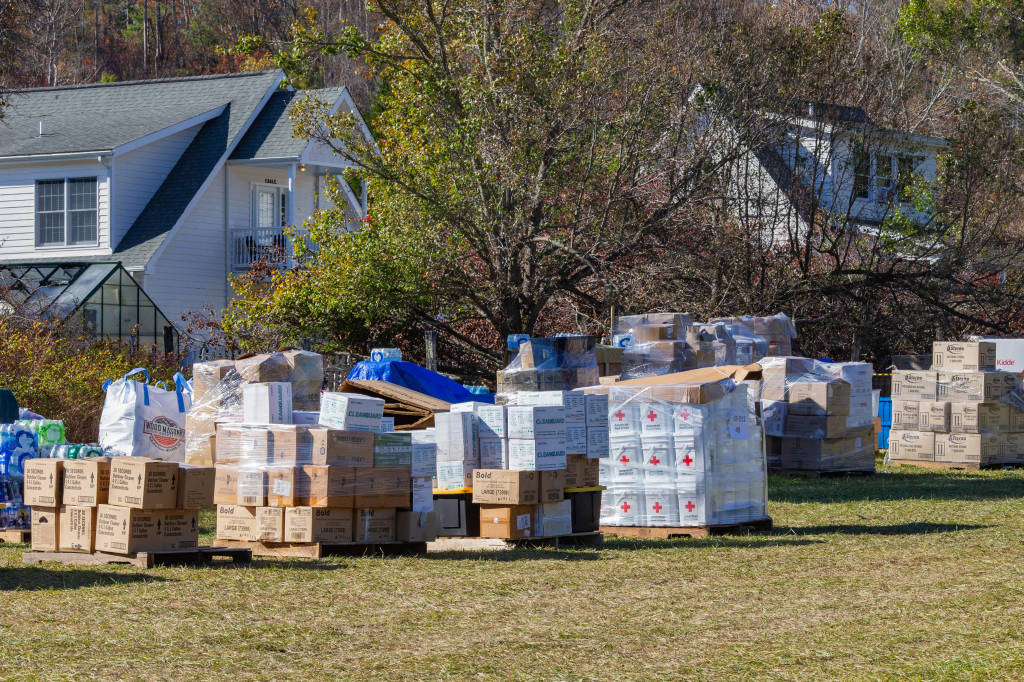
Helene Exposed Cracks in Our Health Care Safety Net
New analyses of emergency room use and one doctor’s scramble to reopen his clinic raise questions about how to shore up primary care before the next big storm.
-
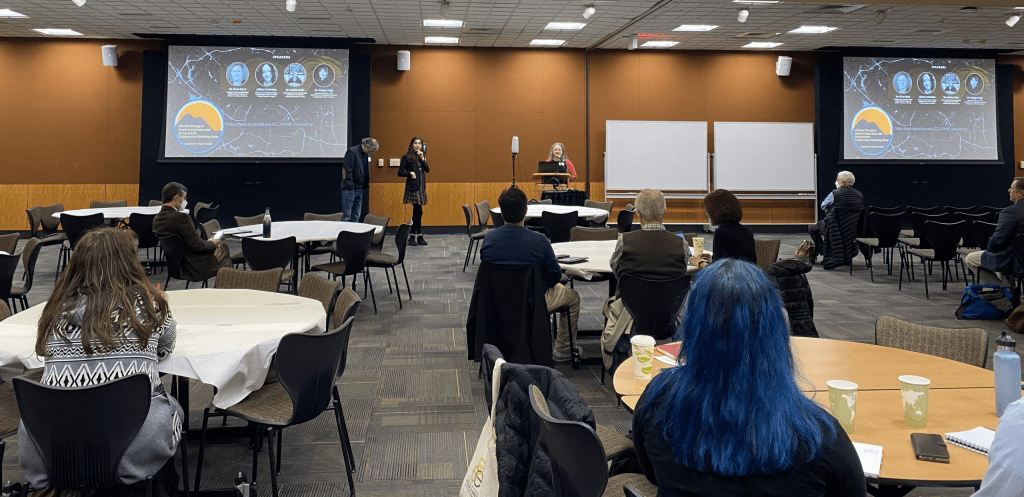
Climate Change in Rural Towns
The Climate Change and Health in Rural Mountain Environments collaborative workshop occurred at Appalachian State on April 8th, where speakers discussed research needs and priorities for the Appalachian region.
-

Deadly Heat In North Carolina
Heat kills more people than any other weather-related event, but unlike visible ones, it is less noticeable. How do we bridge the gap?
 Appalachian Disaster Resilience Network